The artificial intelligence race is no longer just about innovation — it is reshaping careers, business models, and even confidence levels across the global technology industry. From startup founders to senior engineers, the pressure to adapt to AI’s rapid acceleration has created a new divide between those embracing transformation and those struggling to keep pace.
A recent viral post from a well-known venture capitalist, viewed more than 12 million times, captured the growing tension inside Silicon Valley. The message was clear: even highly successful people in technology are feeling overwhelmed by the speed of artificial intelligence development. AI is not simply disrupting industries anymore; it is disrupting the people who built them.
For communities like Huntsville Artificial Intelligence and the growing innovation ecosystem around Huntsville, this moment presents both opportunity and urgency. Huntsville’s defense, aerospace, cybersecurity, and advanced engineering sectors are perfectly positioned to lead the next phase of ethical and practical AI adoption.
One of the biggest conversations emerging in the AI development world right now is “context pruning.” As AI models gain larger context windows capable of processing millions of tokens, developers initially believed that feeding models more information would naturally improve performance. Instead, the opposite is often happening. Longer prompts increase latency, raise costs, and sometimes reduce answer quality because AI systems struggle to identify the most relevant information buried inside oversized inputs.
Context pruning solves this by intelligently removing low-value information before the model processes it. Instead of overwhelming AI systems with unnecessary text, developers prioritize the highest-signal data. This approach is already improving retrieval-augmented generation (RAG) systems, enterprise copilots, and AI coding workflows.
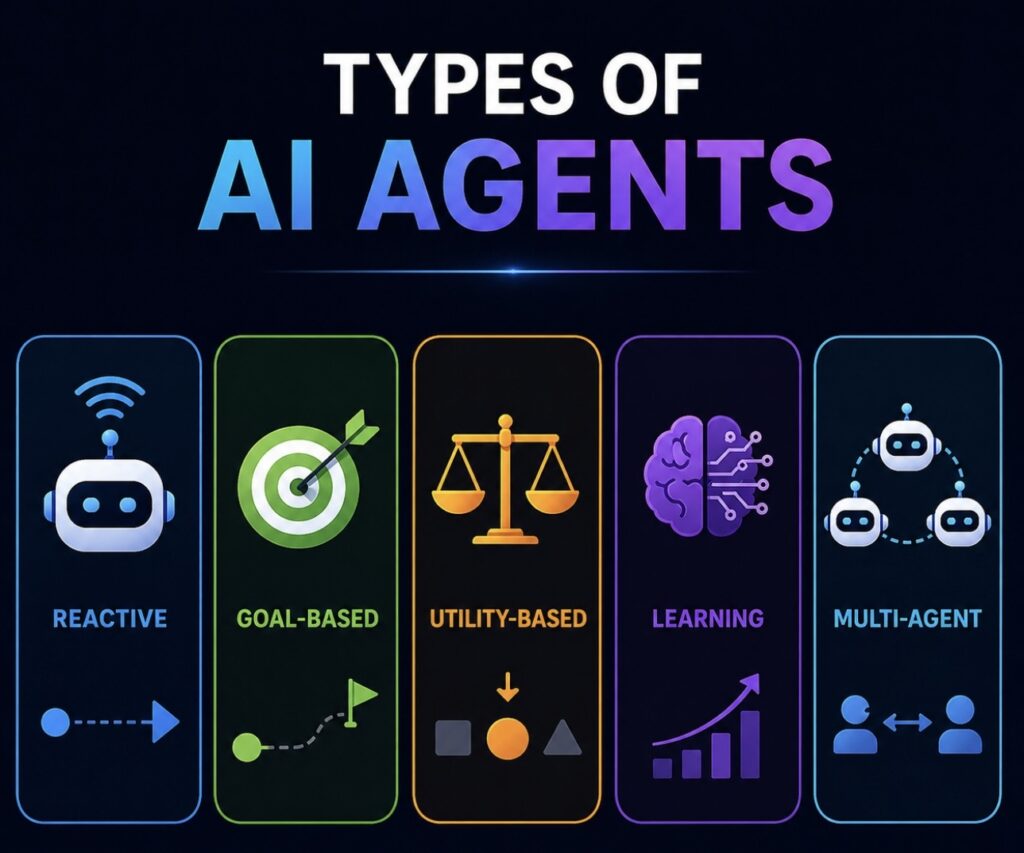
Another major trend reshaping software engineering is the rise of autonomous coding agents. Companies are now building persistent AI systems that monitor Slack channels, investigate bugs automatically, and even recommend fixes before human engineers step in. AI coding assistants are rapidly evolving from simple autocomplete tools into collaborative digital teammates.
However, these advancements also reveal growing concerns. Engineers are discovering that AI-generated code can drift away from project specifications without obvious warning signs. Developers at leading AI companies now recommend implementation logging systems that document every design decision, tradeoff, and deviation made by AI coding agents during execution.
Meanwhile, the demand for AI talent continues to skyrocket. Former engineers from major technology companies are sharing blueprints for securing remote software engineering positions paying over $400,000 annually. AI literacy is quickly becoming one of the most valuable professional skills in the modern economy.
For North Alabama, the message is clear: the future economy will reward regions that embrace AI education, ethical innovation, and workforce readiness today. Huntsville’s unique combination of defense infrastructure, engineering talent, cybersecurity expertise, and entrepreneurial growth creates a strong foundation for becoming one of the Southeast’s leading artificial intelligence hubs.
Organizations like HuntsvilleAI.org are helping bridge the gap by promoting accessible AI education, networking, collaboration, and emerging technology awareness throughout the Tennessee Valley. As AI continues reshaping industries worldwide, communities that proactively prepare for this transition will be best positioned to lead the next generation of innovation.